

Everything I wanted to know about Yoga Teacher Training (in a nutshell)
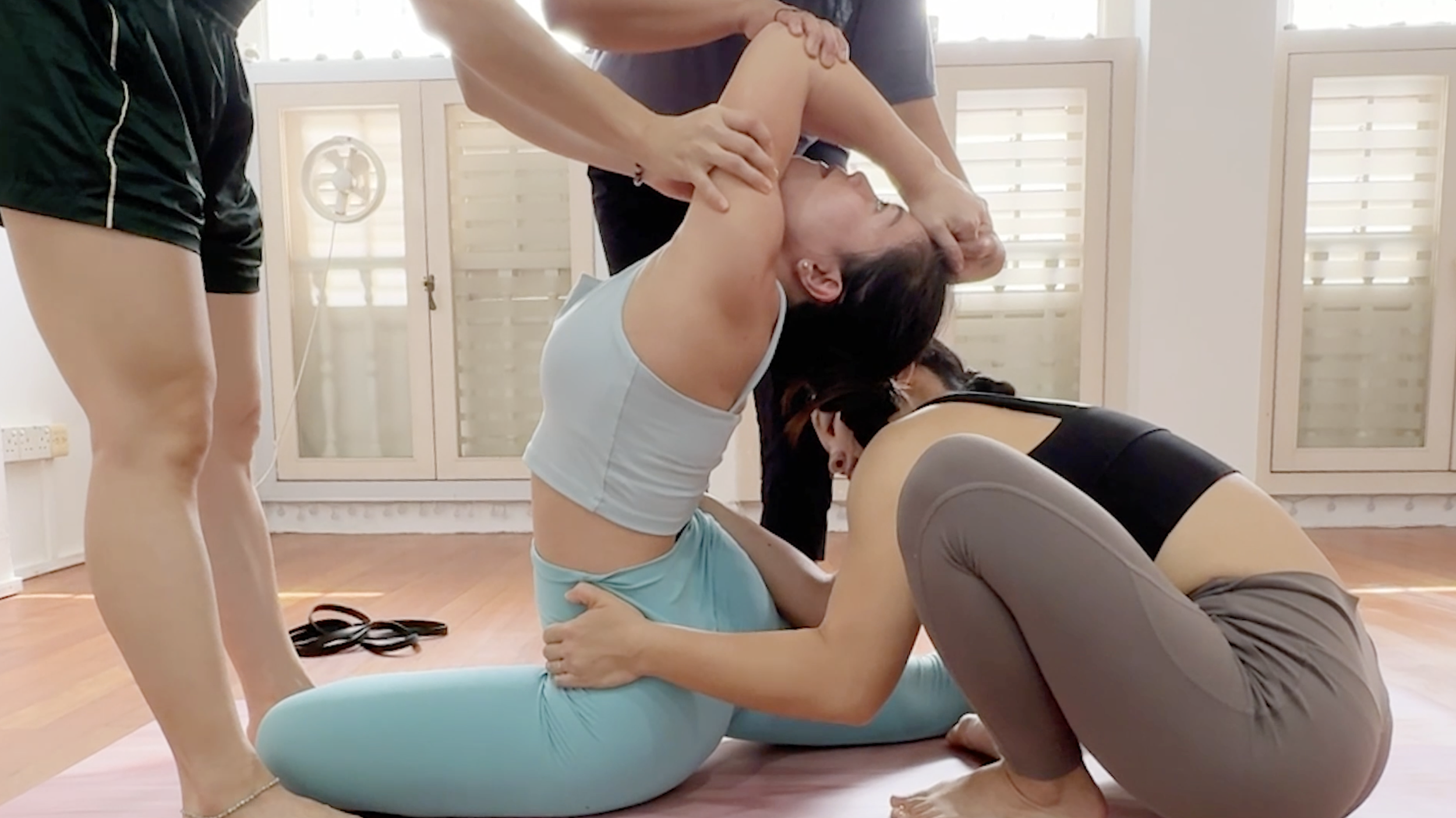
Who is it for?
A Yoga Teacher Training (YTT) course — well, reputable ones, anyway, are programmes designed for anyone who wants to learn about yoga beyond the typical group exercise class one experiences at the gym, fitness studio, or neighbourhood yoga factory. If you’re finding that yoga benefits you more than physically, it is naturally the step next that one wishes to find out why.
Phrases that you heard being thrown around — that yoga is not just a “work-out” but a “work-in” begin to make sense, and you find a growing desire within you to want to learn and understand how to tap into this infinite potential, one which is truly limitless as the source lies within us.
Teacher trainings like the ones conducted at Mysore Breathing Room introduces students to all aspects of yoga, including:
Asana (postures)
Pranayama (breathwork)
Anatomy and physiology
Sequencing and movement principles
The paths to yoga (raja, karma, bhakti, jnana)
Yoga philosophy (ancient texts interpreted in a way that is relevant to the world we live in today)
Teaching methodologies, techniques, finding your teaching voice
Generally, a good programme should typically be rather intensive and combine theoretical learning with practical experience, allowing students to understand both how yoga works and how to apply it in practice.
For those who want to teach, training programmes at MBR provides more than ample professional preparation - and our graduates are well regarded worldwide.
Why Yoga Teacher Trainings aren’t just for aspiring teachers..
Many People Take a Yoga Teacher Training (Without Wanting to Teach) … some reaons include …
1. To Deepen Their Personal Practice
One of the most powerful outcomes of a yoga teacher training is that it transforms how you practice.
Instead of simply following instructions, students learn:
Why poses are sequenced in certain ways
How breath connects to movement
What alignment principles protect the body
How different body types approach poses differently
Understanding these principles allows practitioners to move from mechanical repetition to intelligent practice.
Over time, this often leads to fewer injuries, greater awareness, and a more sustainable relationship with yoga.
2. To Understand the Science Behind Yoga
A quality yoga teacher training will include detailed study of anatomy and physiology.
Students learn about:
Skeletal and muscular systems
Movement mechanics
Breathing anatomy
Postural alignment
This knowledge helps practitioners understand what is happening inside their body during yoga practice.
It also helps them modify poses appropriately when dealing with injuries, tightness, or physical limitations.
For many students, this scientific understanding becomes one of the most valuable aspects of the training.
3. To Study Yoga Philosophy
Yoga is much more than exercise.
A comprehensive teacher training usually includes study of traditional texts such as:
Yoga Sutras of Patanjali
Bhagavad Gita
Hatha Yoga Pradipika
These teachings explore ideas about discipline, ethics, consciousness, and self-understanding.
Many students find that philosophy becomes one of the most transformative parts of the training.
Instead of seeing yoga purely as physical movement, they begin to understand it as a complete system for living.
4. To Experience Personal Transformation
Teacher trainings are immersive experiences.
Students often practice daily, study intensively, and spend weeks or months reflecting on their habits and patterns.
During this process, many people report:
Increased mental clarity
Greater self-awareness
Improved emotional resilience
Stronger discipline
This transformation happens not because students are preparing to teach—but because they are spending time deeply engaging with the practice.
5. To Develop Communication and Leadership Skills
Even if you never teach yoga professionally, teacher training builds useful life skills.
Students practice:
Public speaking
Clear communication
Demonstration and explanation
Understanding group dynamics
These skills can benefit people in many professions—from therapists and counsellors to managers and educators.
Many graduates say the training improved their ability to hold space for others, communicate clearly, and lead with confidence.
6. Learning from Experienced Teachers
Another key factor when choosing the best yoga teacher training in Singapore is the experience of the lead teacher.
For example, experienced teachers such as Sita Chia, founder of Mysore Breathing Room, have spent decades studying and teaching yoga across multiple traditions.
Her background includes:
Hatha yoga
Iyengar yoga (Senior Intermediate - Level 2)
Ashtanga yoga (Primary & Intermediate Series with Sharath Jois i.e., Level 2)
Ayurveda and yoga therapy
Sivananda yoga
She has taught workshops and trainings internationally, including in India, Singapore, Bali and Thailand, bringing together both traditional teachings and modern understanding of yoga practice.
Learning from teachers with extensive experience often makes a significant difference in the depth and authenticity of a training program.
What Makes for the Best Yoga Teacher Training in Singapore?
If you are researching the best yoga teacher training Singapore, here are a few important factors to consider.
Depth of Curriculum
A strong program should include:
Asana alignment and biomechanics
Sequencing principles
Pranayama and breathwork
Yoga philosophy
Anatomy and physiology
A balanced curriculum ensures students develop both knowledge and practical skill.
Practical Teaching Experience
Good trainings allow students to practice teaching early and receive feedback.
This helps students develop confidence and refine their understanding of yoga practice.
In many programs, students gradually progress from short teaching exercises to full class sequencing.
Experienced Lead Teachers
A teacher training is only as strong as the teacher leading it.
Look for teachers who:
Have long-term practice experience
Continue studying with senior teachers
Teach regularly and internationally
Have experience guiding students through training programs
Philosophy and Ethics
The best trainings do not focus only on physical practice.
They explore the ethical and philosophical roots of yoga, helping students understand how yoga applies to daily life.
Do You Have to Teach After a Yoga Teacher Training?
The choice is yours. Whilst being technically equipped and qualified, you’d probably wanna teach some community classes first, and some donation-based classes (many of us do this to ease the pressure off the first few “public” classes we teach—if it’s donation based there’s less pressure)
Completing a yoga teacher training does not mean you must become a teacher.
Many graduates choose to:
Continue practicing more deeply
Share yoga informally with friends or family
Integrate yoga principles into their work or lifestyle
Some students discover during training that they do want to teach.
Others simply return to their practice with a deeper understanding and appreciation for yoga.
Both outcomes are perfectly valid.
Yoga Teacher Training Is Ultimately About Learning
At its core, yoga teacher training is not just about creating instructors.
It is about cultivating knowledgeable practitioners.
Students learn to observe the body, understand movement, explore philosophy, and apply yoga in daily life.
Whether you eventually teach or not, the experience often changes the way you see yoga forever.
And in that sense, the real purpose of yoga teacher training is not simply to produce teachers.
It is to help practitioners become lifelong students of yoga.
Frequently Asked Questions
Q: Do you need to become a yoga teacher after a yoga teacher training?
No. Many people join a yoga teacher training simply to deepen their personal practice, learn yoga philosophy, and understand anatomy and movement.
Q: Is yoga teacher training suitable for beginners?
Most programs recommend that students have at least 6 months to 1 year of regular practice, but you do not need to be advanced or highly flexible.
Q: What is the best yoga teacher training in Singapore?
The best yoga teacher training depends on several factors including the depth of the curriculum, the experience of the teachers, and the balance between philosophy, anatomy, and practical teaching experience. There’s no best, only the best for you. When choosing your course, look into the experience of the teacher, many teacher trainers in Singapore start leading teacher trainings immediately after obtaining their E-RYT500 certification — something I could not in good conscience advise.
Q: How long is a yoga teacher training?
Most foundational trainings are 200 hours, typically completed over several weeks in an intensive format or several months in part-time programs.
Q: Is Mysore Breathing Room Yoga Alliance (YA) accredited?
Yes, but Yoga Alliance is an industry minimum standard, the lowest of the lowest bar, and you shouldn’t choose a teacher training school based on this alone. Getting Yoga Alliance accredited is simply filling up some forms and paying them fees. Yes, they help bring some centralised objective standards to the industry, that’s a good thing, but beware of those schools that rely heavily on the fact that they have been accredited to persuade you to join their course. That said, most of the current yoga teacher trainings being offered in Singapore are acceptable, provided they are on a pro bono basis (many teachers outside of Singapore conduct their first 3-6 teacher trainings FOC to gain experience), since the majority of them are not experienced enough to charge full fees. Do consider their courses by asking them if they are willing to provide the course on a goodwill basis, as they do require the teaching experience in order for them to grow.
(the views in the post belong to the author and may not necessarily always reflect the views of MBR)